
What Can Composite Bonding Fix? A Guide to Common Cases
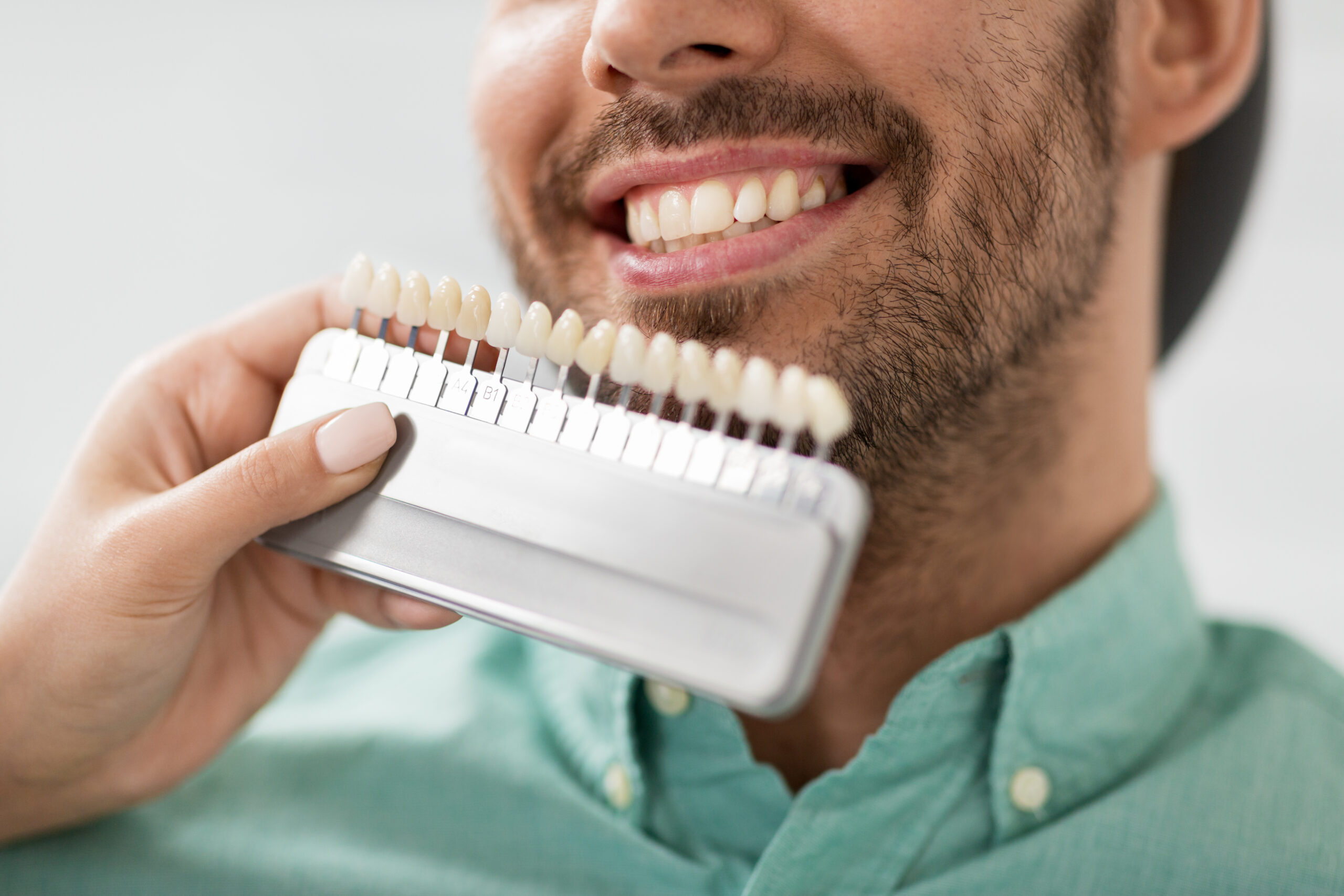
There’s a specific kind of self-consciousness that comes from a small cosmetic flaw — a chipped edge you notice every time you smile in photos, a gap you’ve always meant to do something about, or discolouration that whitening just hasn’t shifted. These are the kinds of concerns that often feel too minor to bring up, yet they’re exactly what cosmetic dentistry is designed to address.
Composite bonding has become one of the most popular ways to tackle these issues, and for good reason. It’s a relatively quick, minimally invasive procedure that can make a significant difference to the appearance of your teeth — without the cost or commitment of more extensive treatment.
But it’s not the right solution for every situation. This guide walks through the most common cases where composite bonding works well, and the cases where it may not be the best fit.
How composite bonding works
In brief: your dentist applies a tooth-coloured resin directly to the surface of your tooth, sculpts it into shape, and then sets it with a curing light. The resin is colour-matched to blend with your natural teeth, and once polished, it should be difficult to distinguish from the surrounding enamel.
There are two main types: edge bonding, which adds a small amount of material to the edges of the teeth, and composite veneers, which cover the full front surface of the tooth. Which is appropriate depends on what needs correcting.
The procedure is typically completed in a single appointment and is usually comfortable — local anaesthetic is only needed if decay is being treated at the same time.
You can read more about what the treatment involves on our composite bonding page.
Chipped or cracked teeth
This is probably the most common reason people enquire about composite bonding. A chip — from biting down on something hard, a minor knock, or simply general wear — can affect the way a tooth looks and feels, even if the structural damage is minor.
Bonding is well-suited to repairing small chips because the resin can be built up precisely to restore the tooth’s original profile. The result is a tooth that looks whole again and, with the right shade match, sits seamlessly alongside the others.
For minor chips and cracks that don’t affect the underlying tooth structure, bonding is often the most straightforward option available.
Gaps between teeth
A gap between the front teeth — known as a diastema — is something many people feel self-conscious about. Composite bonding can reduce or close small-to-moderate gaps by gently widening the adjacent teeth using resin.
It’s worth noting that the size of the gap matters. Very wide gaps may require a different approach, and in some cases, your dentist may recommend discussing orthodontic options first — particularly if the gap is related to how the teeth bite together. For smaller gaps, however, bonding can produce a natural-looking result in a single visit.
Staining that won’t respond to whitening
Teeth whitening works well for the kind of surface staining that builds up over time from tea, coffee, red wine, and similar. It doesn’t, however, address staining that’s embedded within the tooth structure itself — such as that caused by tetracycline antibiotics or fluorosis (a condition caused by excess fluoride during tooth development).
Composite bonding can cover this type of intrinsic discolouration effectively, giving the affected teeth a more even, natural appearance. It’s worth being aware that composite resin can itself pick up staining from food and drink over time, so some care with highly pigmented drinks in the weeks after treatment is sensible.
Worn or uneven edges
Years of normal use — and particularly teeth grinding (bruxism) — can wear down the incisal edges of the front teeth, making them appear shorter, flatter, or uneven. Edge bonding is designed specifically for this: adding a small amount of resin to the biting edges to restore their original length and shape.
If grinding is a factor, it’s worth discussing with your dentist before treatment. Bonding can restore the appearance of worn teeth, but it won’t address the underlying cause, and continued grinding will affect the longevity of the results. A nightguard alongside the treatment is often recommended.
Misshapen or naturally small teeth
Some teeth are simply shaped in a way that affects the symmetry of a smile — peg laterals (unusually small, tapered upper lateral incisors) are a common example. Others may be slightly rotated or narrower than the surrounding teeth, creating an irregular appearance.
Composite bonding can improve the shape, size, and symmetry of these teeth without any drilling or removal of tooth structure. It’s one of the more satisfying applications of the technique, because the improvement in smile symmetry can be quite striking even with a relatively modest change.
How long does composite bonding last?
With good care, composite bonding typically lasts five to eight years before a touch-up or replacement is needed. This isn’t a permanent fix, but it’s a meaningful timeframe — and maintenance appointments can often extend the life of the work.
The things that help most are: brushing and flossing regularly, avoiding biting directly into very hard foods (crusty bread, hard sweets, ice), keeping up with your regular check-ups, and — if you grind your teeth — wearing a nightguard.
When composite bonding may not be the right answer
Composite bonding is a versatile treatment, but it does have limits.
If discolouration is severe, or if a tooth needs more significant structural reshaping, composite veneers may not provide adequate coverage — and porcelain veneers, which are fabricated in a lab and bonded to the prepared tooth surface, may give a better long-term result. Porcelain is also more resistant to staining and tends to last longer.
Similarly, if there is significant tooth decay, gum disease, or bite problems, these need to be addressed before any cosmetic work is carried out.
If you’re weighing up composite bonding against porcelain veneers and trying to decide which is the better fit for your situation, our composite bonding vs. veneers guide goes through the key differences in more detail.
Finding out if composite bonding is right for you
The best way to know whether composite bonding can address your specific concern is to come in for a consultation. We’ll take a look at the teeth involved, talk through what you’d like to change, and give you an honest picture of what bonding can realistically achieve — and whether there’s a better option.
We see patients at both our Ramsbottom and Tottington practices, and we’re happy to answer questions before you book if you’d like to know more.